BPC-157 + TB-500 BlendBPC-157 10mg + TB-500 10mg
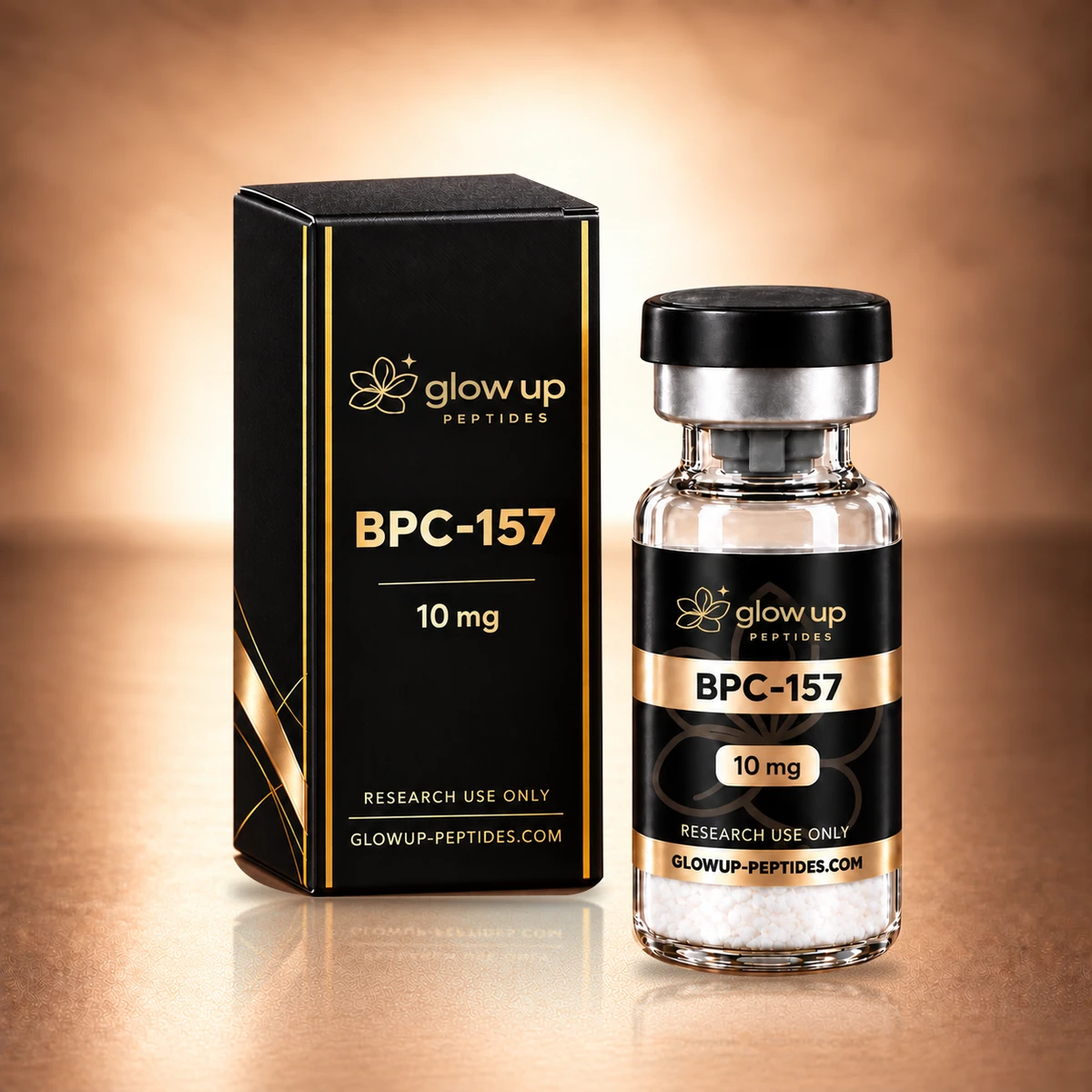
- Stack of BPC-157 + TB-500 (10 mg / 10 mg)
- Combination material for controlled preclinical models
- Single-compound and control groups required for comparisons
- 1 pen needle always included
- Batch-matched certificate of analysis
- Sealed and crimped
- Ships across the EU
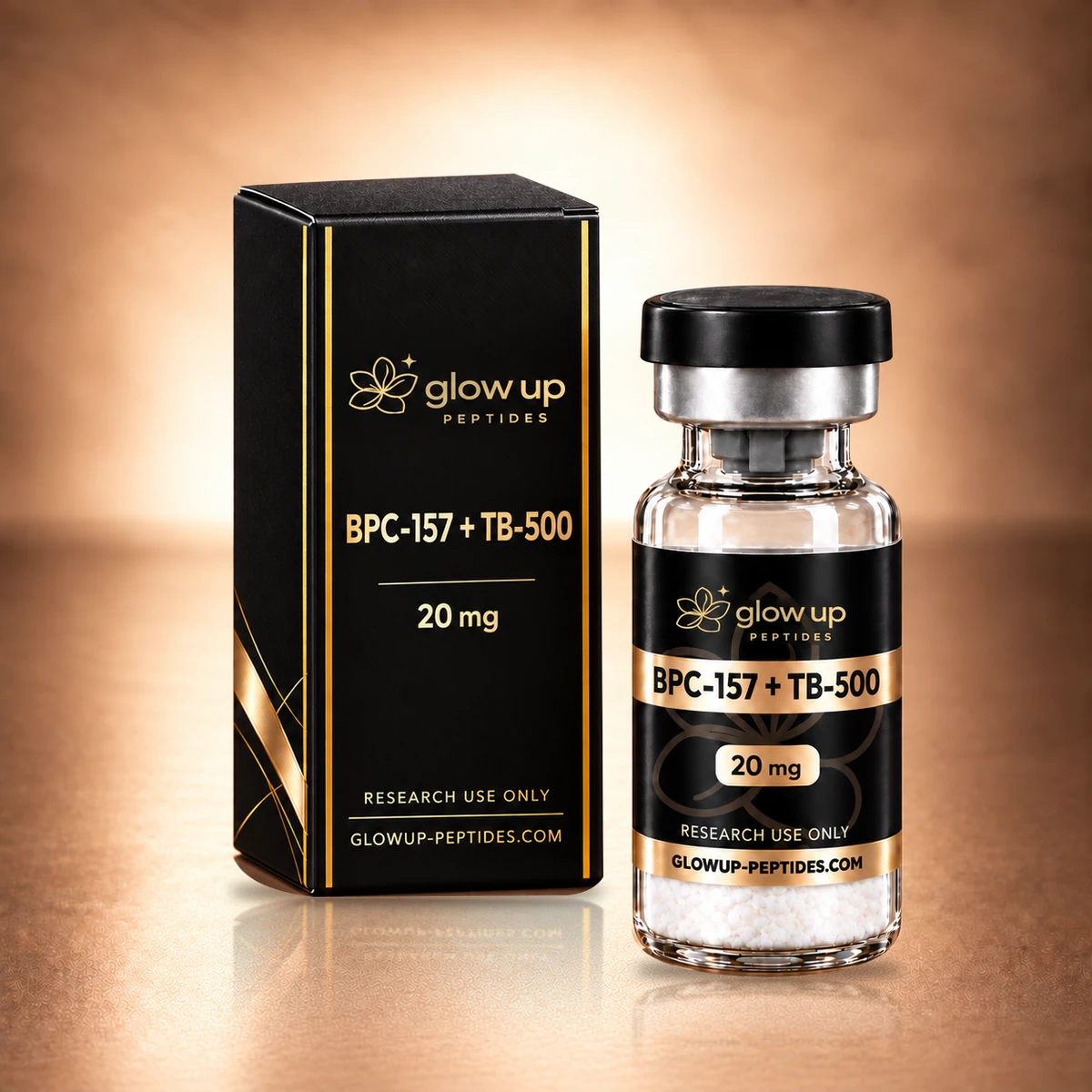
BPC-157 + TB-500 Blend · 20 mg
COA batchGUP-BB20-20260810
Certificate for the vial sample
- Chemical name
- BPC-157 + full-length Thymosin Beta-4 (TB-500)
- Purity
- see batch report
- CAS Number
- BPC-157: 137525-51-0 · TB-500: 77591-33-4
- Molecular formula
- BPC-157: C₆₂H₉₈N₁₆O₂₂ · TB-500: C₂₁₂H₃₅₀N₅₆O₇₈S
- Molecular weight
- BPC-157: 1.419 Da · TB-500: 4.963 Da
- Mechanism
- Repair & regeneration stack
- Physical form
- Lyophilized powder
- Net quantity
- 20 mg per vial (10 + 10 mg)
- Category
- Peptide lyophilizate
- Storage
- According to label and batch documentation
- Light protection
- Protect from direct light
- Shelf life
- According to label and batch documentation
- SKU
- GUP-BB20
BPC-157 + TB-500 – Combined Research Approach
BPC-157 + TB-500 Blend combines BPC-157, a pentadecapeptide of 15 amino acids, with full-length synthetic Thymosin Beta-4 containing 43 amino acids. The TB-500 component is explicitly not the short Ac-LKKTETQ fragment. The vial contains 10 mg BPC-157 and 10 mg full-length Thymosin Beta-4 as a lyophilizate for controlled laboratory experiments.
BPC-157 & TB-500 in Research
BPC-157 and full-length Thymosin Beta-4 are investigated in cell and animal models involving cell migration, angiogenesis and tissue injury, among other topics. A blend permits combined exposure but complicates causal attribution, making controlled single-compound and comparison groups essential. Clinical synergy or superiority has not been established.
Purity, Analysis & Handling
The Lab Reports page shows whether a report is published for a specifically identified blend sample or batch; only the methods and measured results stated there are authoritative. Solvent, reconstitution and storage must suit the formulation, label and validated laboratory protocol. Background is available in the BPC-157 + TB-500 article; the laboratory calculator performs mathematical concentration and volume calculations only.
The BPC-157 + TB-500 Pen – Pre-filled Laboratory Variant
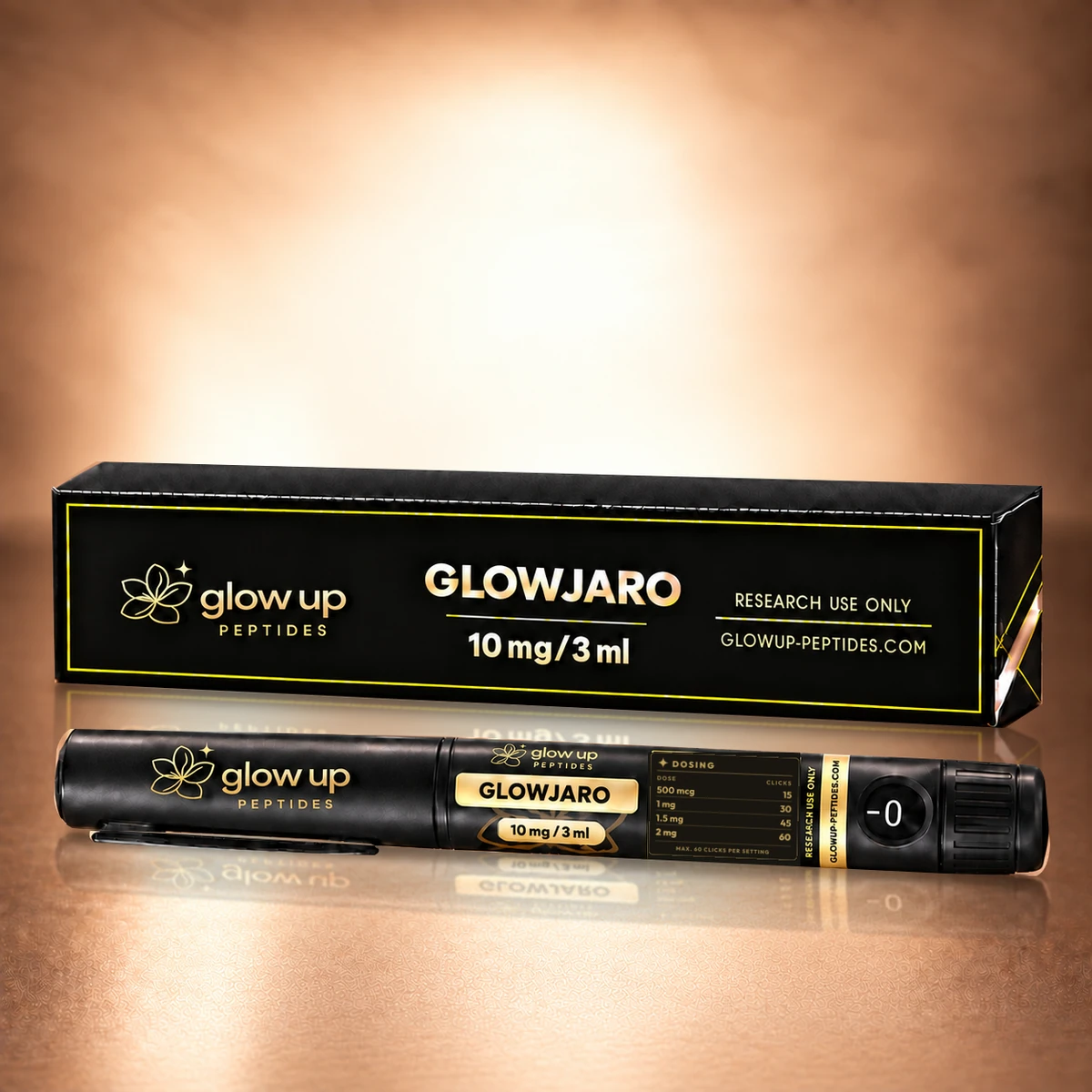
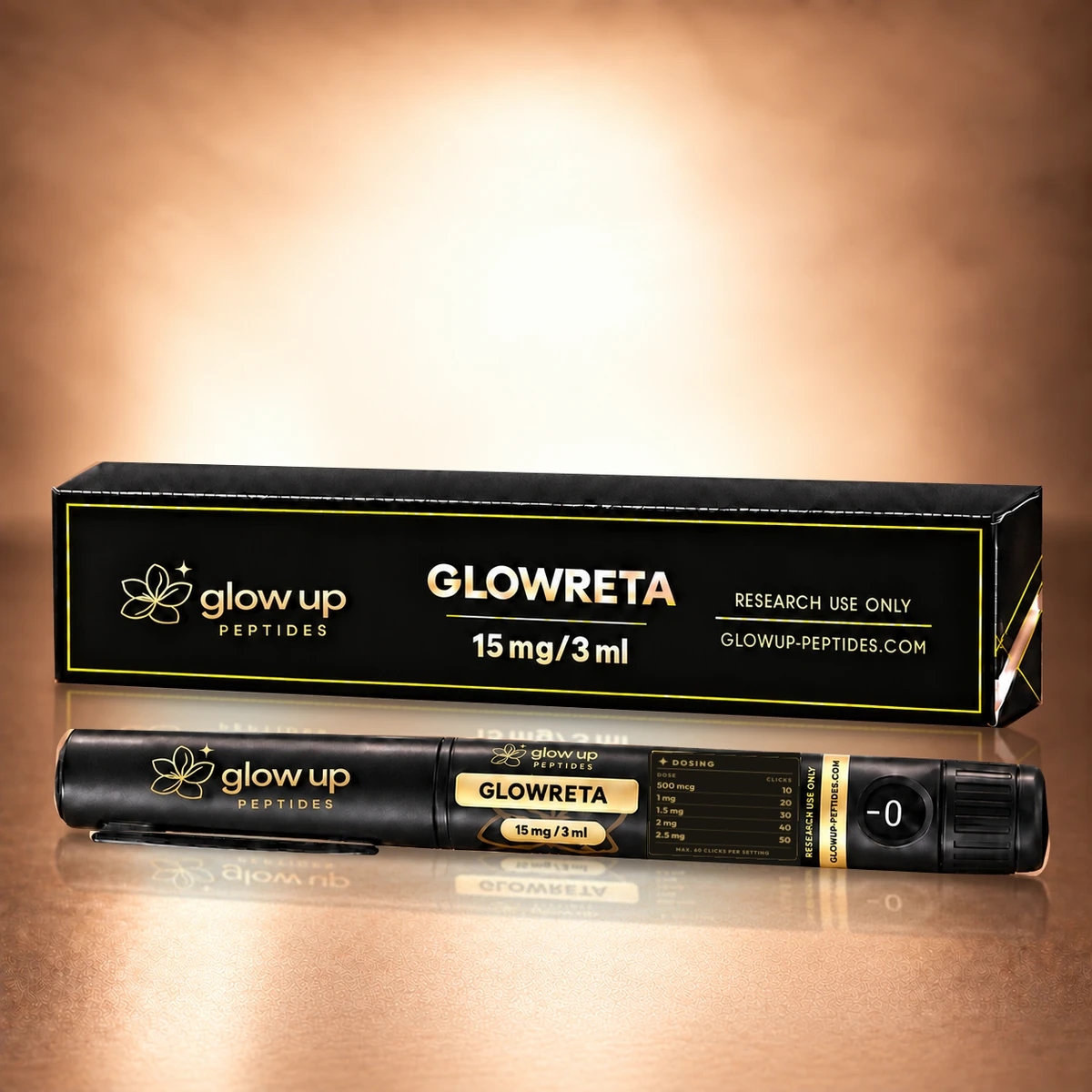
The blend pen is pre-filled at a concentration defined for the variant. Its graduated dial supports reproducible laboratory volume settings; total content and scale factor must be checked against the product label and documentation before use.
Laboratory Handling & Dispensing
Before the first laboratory withdrawal, the pen is briefly primed, after which you dial in the desired amount for each laboratory withdrawal. A matching pen needle is always included.
| Amount | Clicks on dial |
|---|---|
| 1 mg | 15 |
| 2 mg | 30 |
| 3 mg | 45 |
| 4 mg | 60 |
| 5 mg | 75 (60 + 15) |
The dial turns to a maximum of 60 clicks per setting — set larger amounts in several steps. For very small amounts (below 1 mg), work out the exact clicks in the pen calculator.
Purity & Quality
Available analytical certificates apply only to the batch, sample and test method named in each report. For detailed background on the compound, see the BPC-157 + TB-500 article; the laboratory calculator is limited to mathematical concentration and volume conversions.
All regeneration peptides compared directly: regeneration peptides overview.